Quick Guides

Best Flyscreen Measurement Guide for Windows & Doors


Best Flyscreen Measurement Guide for Doors & Windows

Accurate measurements are the key to a perfect-fitting flyscreen: smooth operation, tight sealing, and clean lines. Whether you’re ordering new screens or replacing old ones, this DIY-friendly guide walks you through every step for fixed, hinged, sliding, and pleated systems — using metric (mm) with imperial in parentheses.

Tip: You can also add a matching flyscreen directly inside our window and door configurators to fit your exact design.

Before You Start Measuring

flyscreen

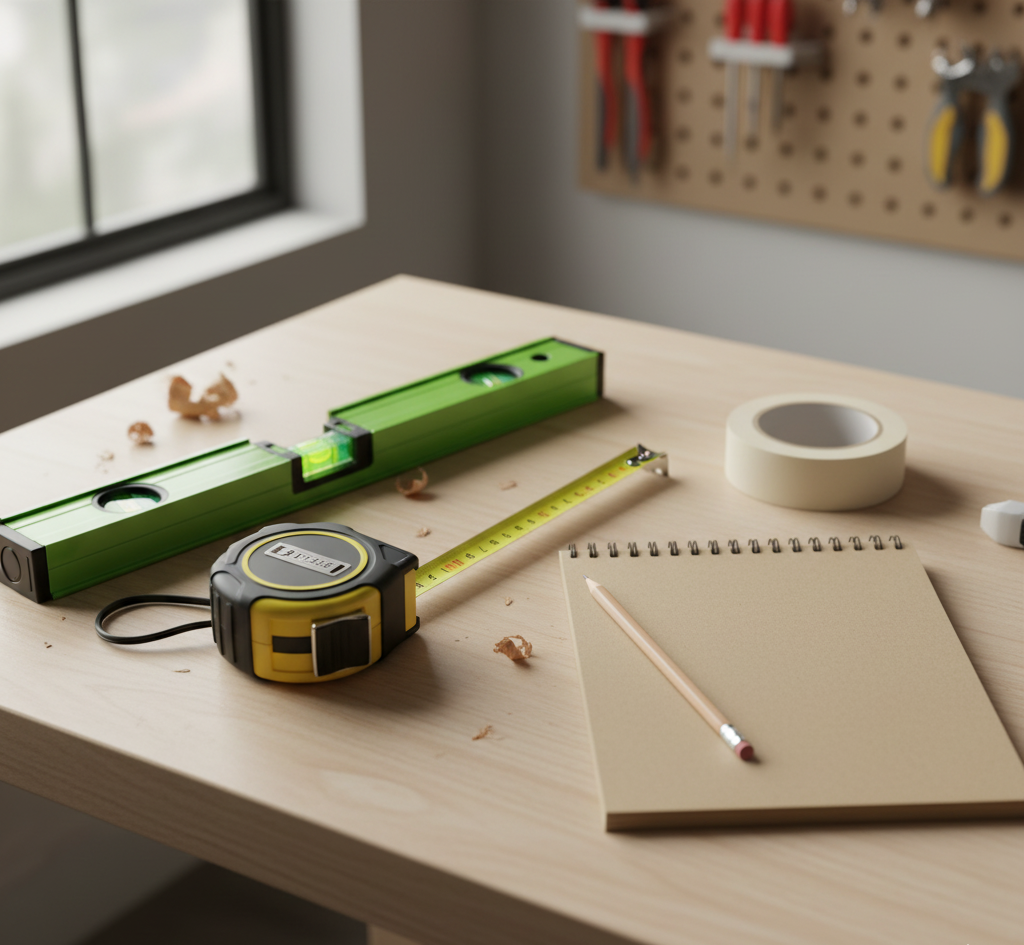
Tools You'll Need

Tools You’ll Need

  • Steel tape measure (millimeters; inches in parentheses if helpful)
  • Notepad or phone for recording measurements
  • Spirit level
  • Pencil or marker
  • Step stool or ladder for tall openings

Key Terms (Quick Glossary)

Term Meaning
Recess fit The screen sits inside the window or door frame (between reveals). KozijnenPro fixed flyscreens are always recess-fitted for a clean and discreet look.
Daylight opening The visible/open part of the frame without overlaps.
Reveal The inner edges of the structural opening where the recess fit is taken from.

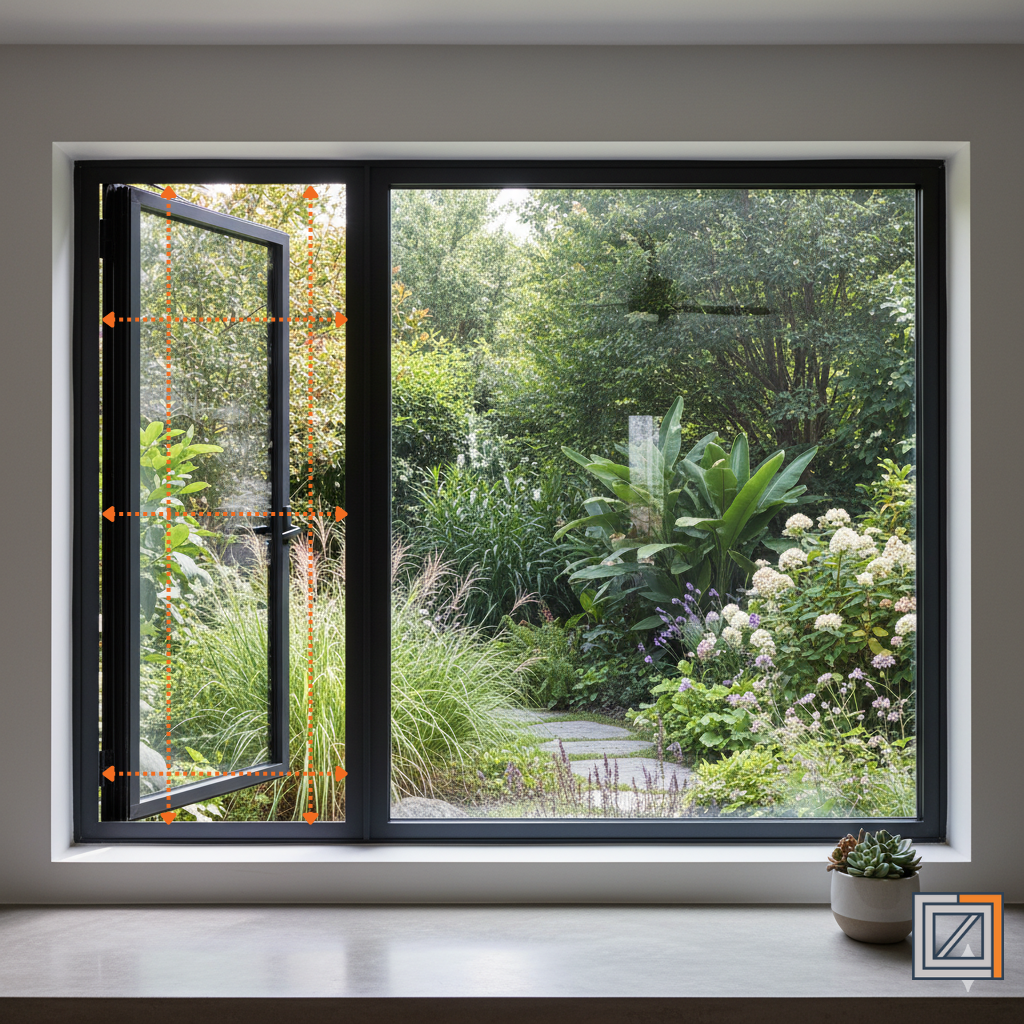
Pro tip: Measure width at the top, middle, and bottom, and height at the left, center, and right. Record the smallest value each time. For squareness, compare diagonals — if the difference is more than 6 mm (¼ in), note it.

Measuring by Scenario

flyscreen measurements

A) New Installations (No Existing Flyscreen)

  1. Measure internal width between the reveals in three places; record the smallest value.
  2. Measure internal height from sill to head in three places; record the smallest value.
  3. Check diagonals; note any difference greater than 6 mm (¼ in).
  4. These measurements represent the recess-fit opening for your fixed flyscreen.

B) Replacements (Existing Flyscreen)

  1. Measure the outer edge-to-edge of the existing  frame (width × height).
  2. If the old screen fits well, use its size as a reference, but cross-check with the recess opening.
  3. Confirm the frame sits flush and is square; if not, take new recess measurements as described above.

Step-by-Step by Flyscreen Type

fixed recess flyscreen

Recess Fit Fixed Flyscreen

1) Fixed Frame Flyscreens (Recess Fit Only)

KozijnenPro fixed flyscreens are designed exclusively for recess fit installation — sitting neatly inside the window frame. This ensures a minimalist look, excellent sealing, and compatibility with all our aluminium window systems.

How to Measure

  1. Measure the internal width between the reveals at the top, middle, and bottom. Use the smallest number.
  2. Measure the internal height between the sill and top reveal at the left, center, and right. Use the smallest number.
  3. Subtract 2–3 mm (¹⁄₁₆–⅛ in) from both width and height to allow fitting tolerance.
  4. Record final dimensions clearly as W × H (mm).

Common Mistakes

  • Measuring only once instead of at multiple points.
  • Forgetting to subtract tolerance for smooth installation.
  • Using outside frame measurements instead of internal reveal size.

hinged flyscreen

Hinged Flyscreen

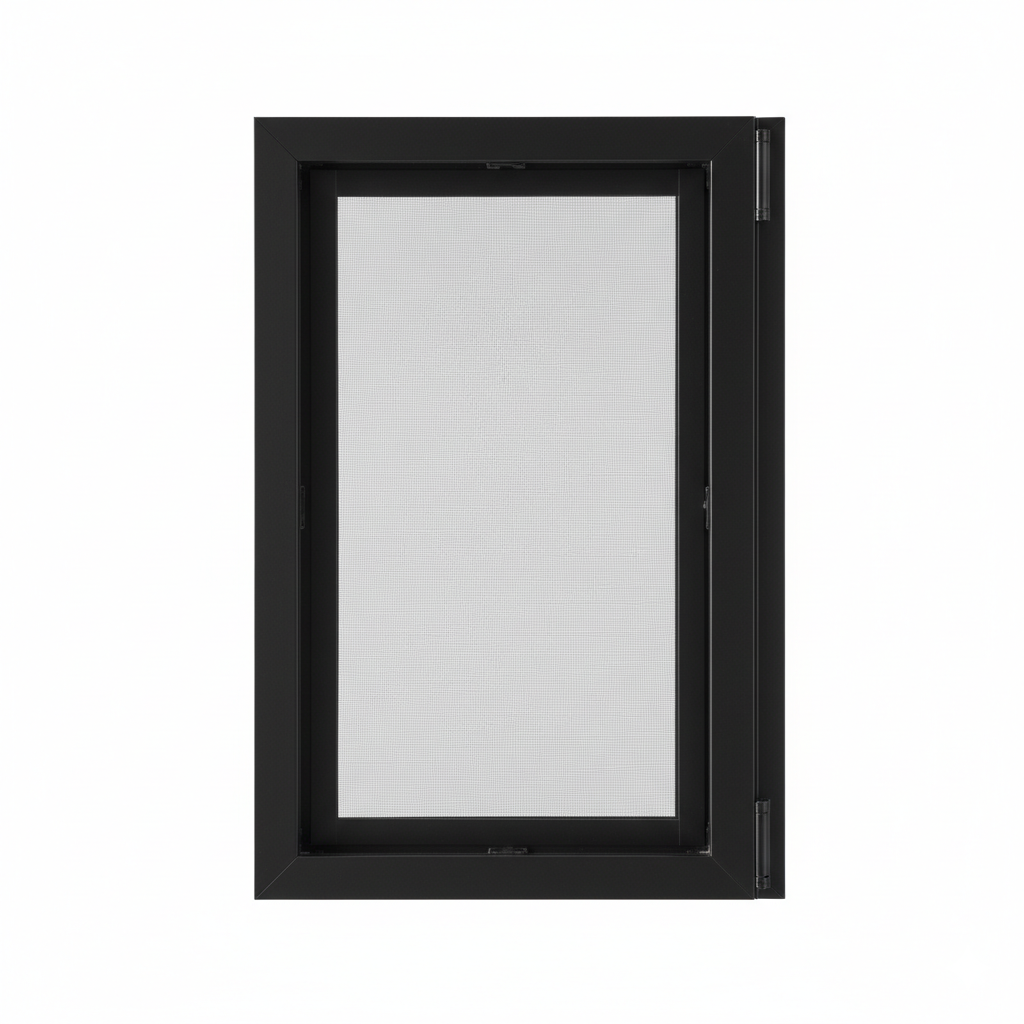
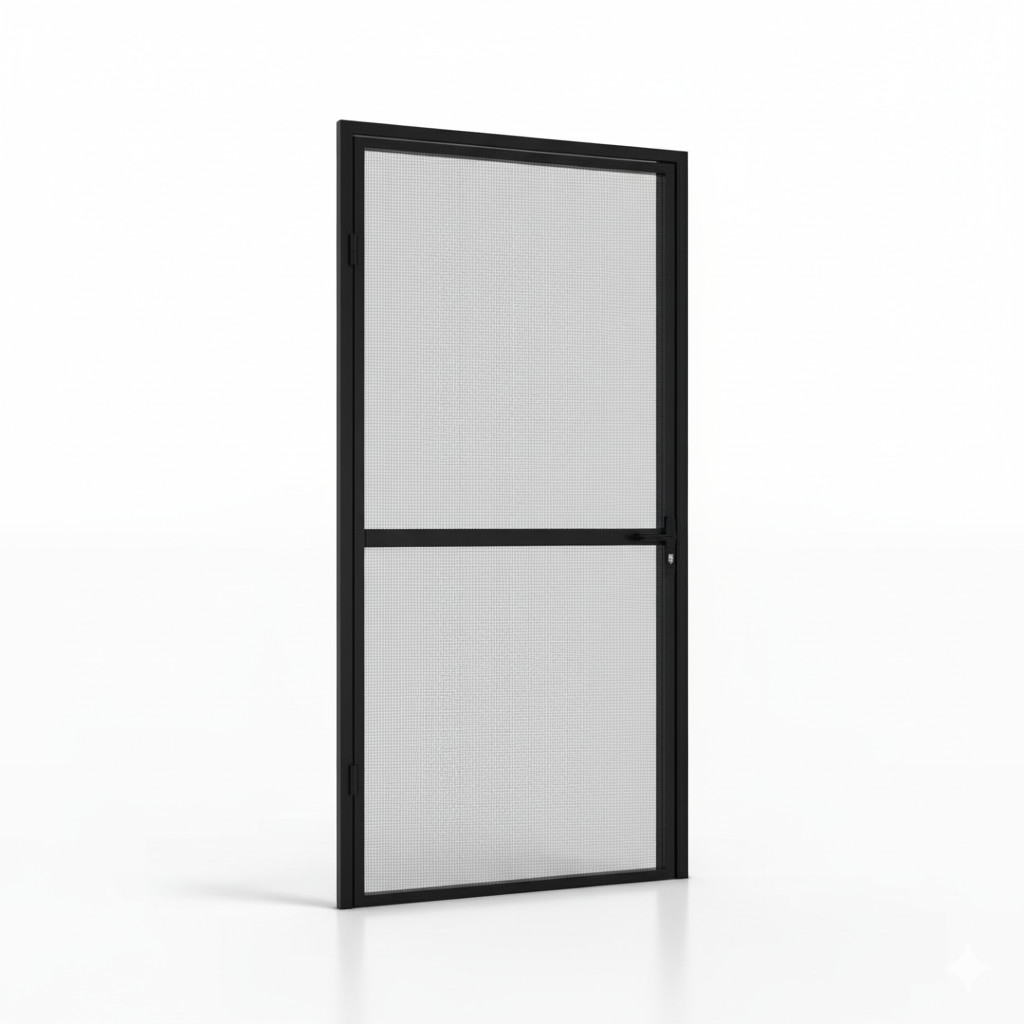
2) Hinged Flyscreens

Ideal for outward-opening casement windows and single doors. Ensure smooth swing and latch clearance.

  1. Measure opening width and height from the inside edges of the frame (three points each; use smallest).
  2. Subtract about 3 mm (⅛ in) to allow for hinge and latch clearances.
  3. Check handle and lock projections to prevent interference.
  4. Confirm enough depth for hinges and magnetic closure hardware.

Common Mistakes

  • Ignoring door swing direction (inward door vs outward screen).
  • Missing handle/lock clearances.
  • Measuring only the visible daylight area rather than the full opening.

sliding flyscreen

Sliding Flyscreen

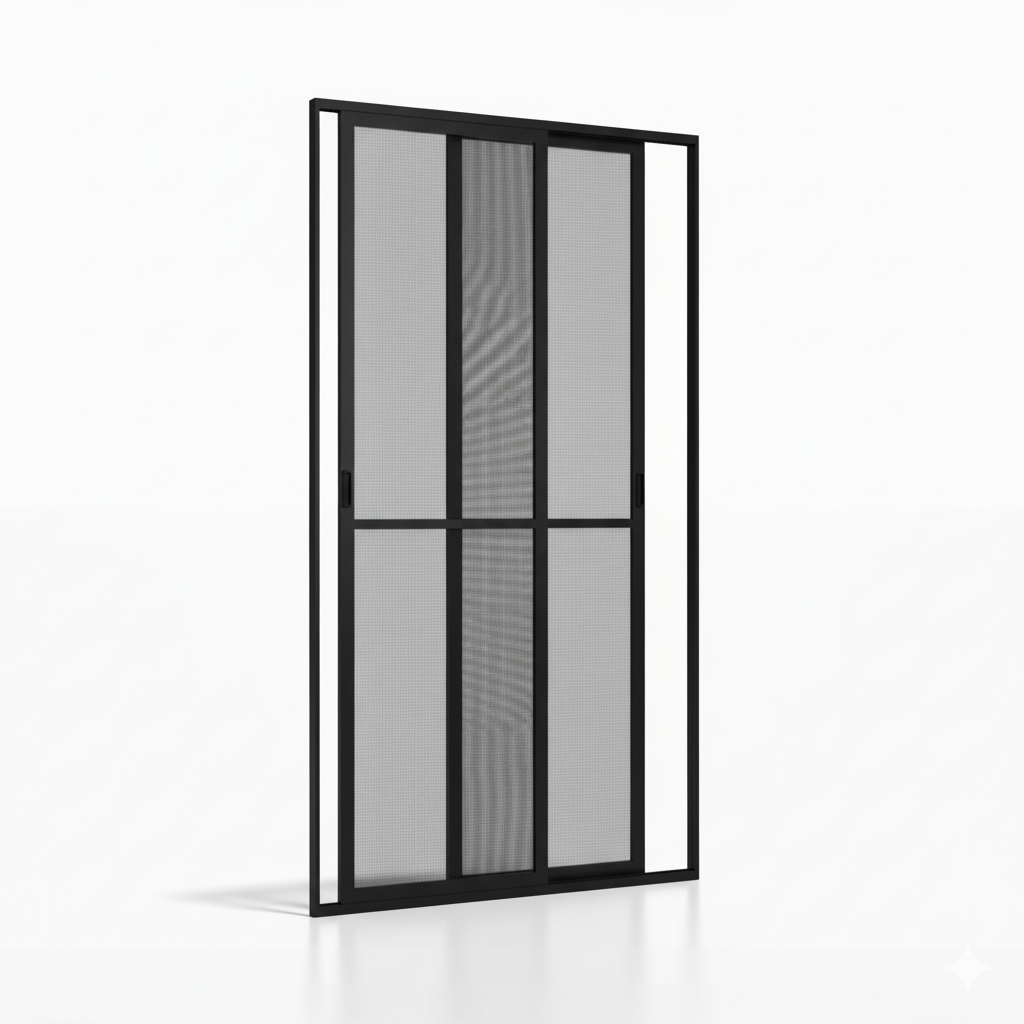
3) Sliding Flyscreens

Perfect for patio and balcony doors. Accurate measurement ensures smooth travel along top and bottom tracks.

  1. If tracks exist, measure width between the inside faces of the vertical tracks.
  2. Measure height from the inside of the top track to the inside of the bottom track.
  3. If tracks don’t exist yet, measure the opening and confirm there’s space for tracks (typically 30–40 mm clearance).
  4. Note track depth and any uneven surfaces.

Common Mistakes

  • Measuring wall-to-wall instead of inside the track faces.
  • Not checking overlap for multiple sliding panels.
  • Ignoring sagging or uneven head/floor.

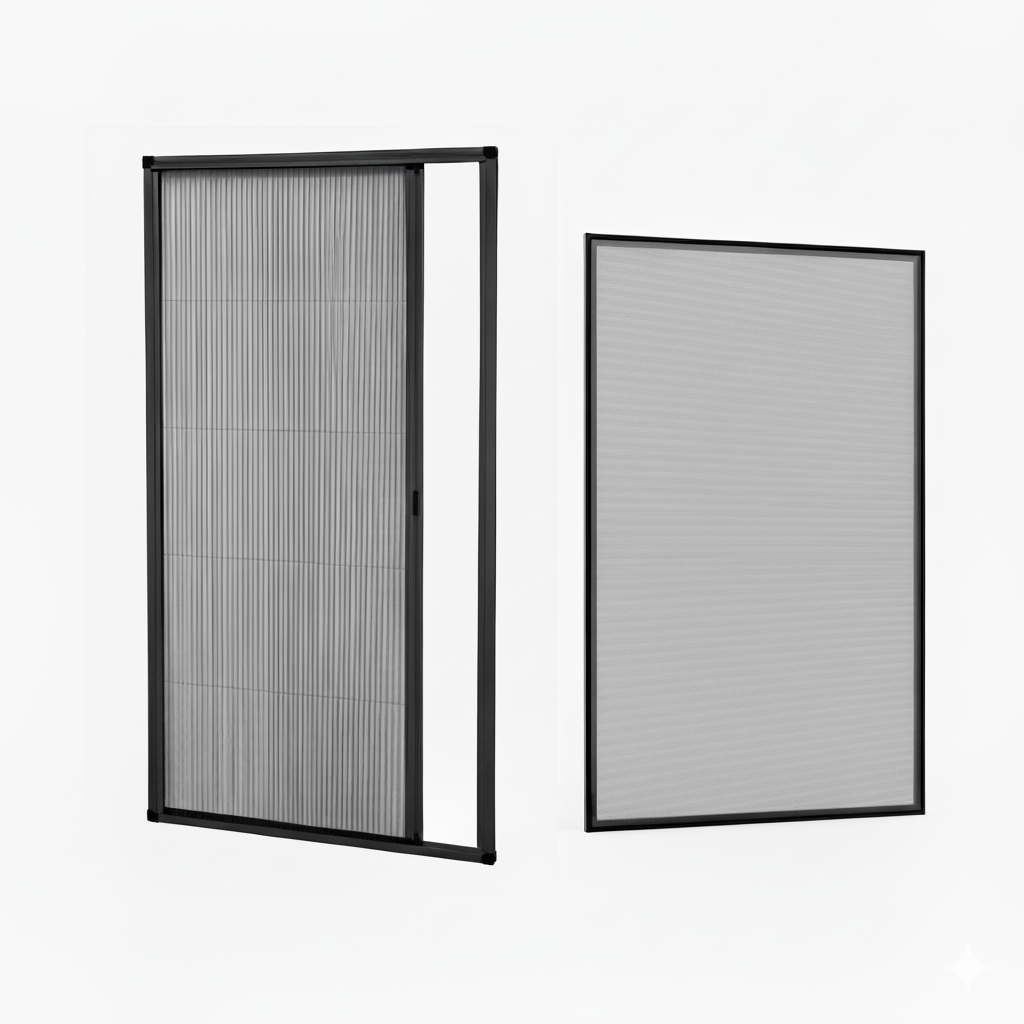
Double Pleated Flyscreen

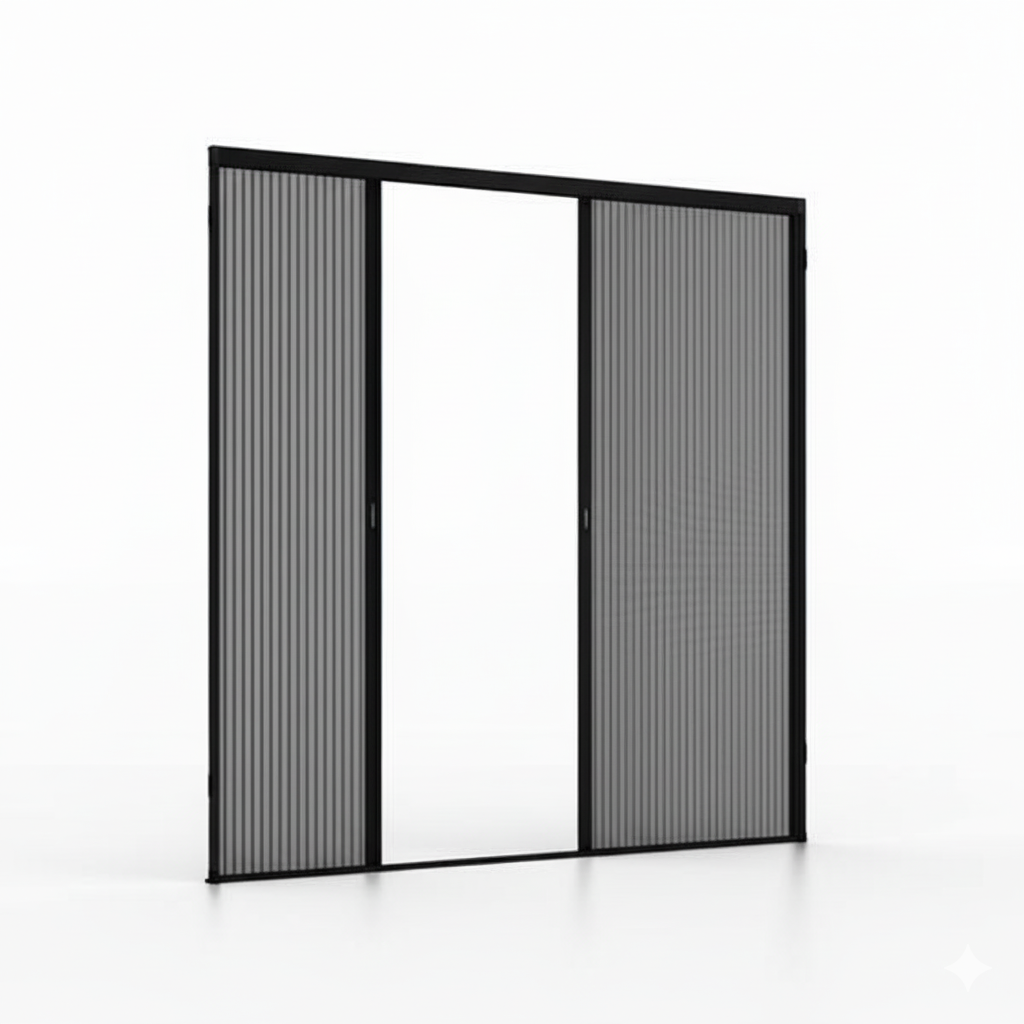
4) Pleated Flyscreens

Pleated systems are modern and ideal for wide openings such as lift-and-slide doors. Measure both the span and cassette depth.

  1. Measure total opening width — this equals the extended span of the pleated screen.
  2. Measure height from finished floor/sill to top frame.
  3. Allow for the cassette housing depth (usually 45–55 mm) and check side-guide clearance.
  4. For double units, ensure the mid-join aligns when closed.

Common Mistakes

  • Forgetting cassette depth when space is limited.
  • Measuring only the pleated area, not the housing.
  • Not checking for uneven floor levels.

Accuracy Checklist

  • Measured width and height in three places each; used the smallest values.
  • Compared diagonals; noted differences greater than 6 mm (¼ in).
  • Recorded in millimeters (with inches if desired) and labeled W × H.
  • Identified installation type: recess fit.
  • Selected flyscreen type: fixed, hinged, sliding, or pleated.

Common Measuring Mistakes (and Easy Fixes)

Mistake Why It’s a Problem Fix
Measuring only one point Openings rarely stay perfectly square Measure at top/middle/bottom and left/center/right
Forgetting fitting tolerance Screen can bind or won’t sit square Subtract 2–3 mm (¹⁄₁₆–⅛ in) from width and height
Relying on old frame size only May not match the reveal accurately Cross-check existing frame and new recess measurements
Mixing width/height labels Ordering errors Always record as W × H and double-check

Order Your Custom Flyscreen

With precise measurements in hand, you’re ready to configure your custom screen. Choose finishes and mesh types, match profiles to your windows and doors, and see pricing instantly.

  • Use the Configurator for standalone flyscreen orders.
  • Or add a screen inside our window and door configurators to match the exact design and dimensions of your unit.

© KozijnenPro — Precision aluminium systems for modern living.

FAQ:

Can I measure from inside my home?

Yes. For most windows and doors, you can take all measurements from inside. Just make sure you measure all openings from the same side for consistency.

Should I measure the old flyscreen or the frame opening?

For the most accurate result, measure the frame opening (recess) itself. Use the old flyscreen only as a reference if it fits perfectly.

How much clearance should I leave for installation?

Always subtract 2–3 mm (¹⁄₁₆–⅛ in) from both width and height. This allows smooth fitting without pressure on the frame.

What if my window or door opening isn’t square?

Measure diagonally from corner to corner. If the difference exceeds 6 mm (¼ in), record it — our systems are built to accommodate small variations.

Do I need to remove the old flyscreen before measuring?

You don’t have to, but removing it gives a more accurate recess measurement and avoids hidden obstructions.

Can I measure in inches instead of millimeters?

You can, but KozijnenPro uses millimeters (mm) for production accuracy. If needed, you can note both units for clarity.

Which type of flyscreen suits my opening best?
  • Fixed (recess-fit): for small or non-opening windows.

  • Hinged: for single doors or casement windows.

  • Sliding: for patio or balcony doors.

  • Pleated: for large or lift-and-slide systems.

Leave a Reply

Your email address will not be published. Required fields are marked *